
Physical vs Chemical Sunscreens: A Strategic Guide for OEM Skincare Brands
In today’s competitive skincare market, sun protection has become a fundamental product category. As consumers increasingly prioritize ingredient safety, product performance, and environmental impact, understanding the differences between physical and chemical sunscreens is essential for brand positioning and product development.
This guide provides a comprehensive overview to support informed OEM formulation decisions.
What is Physical Sunscreen?
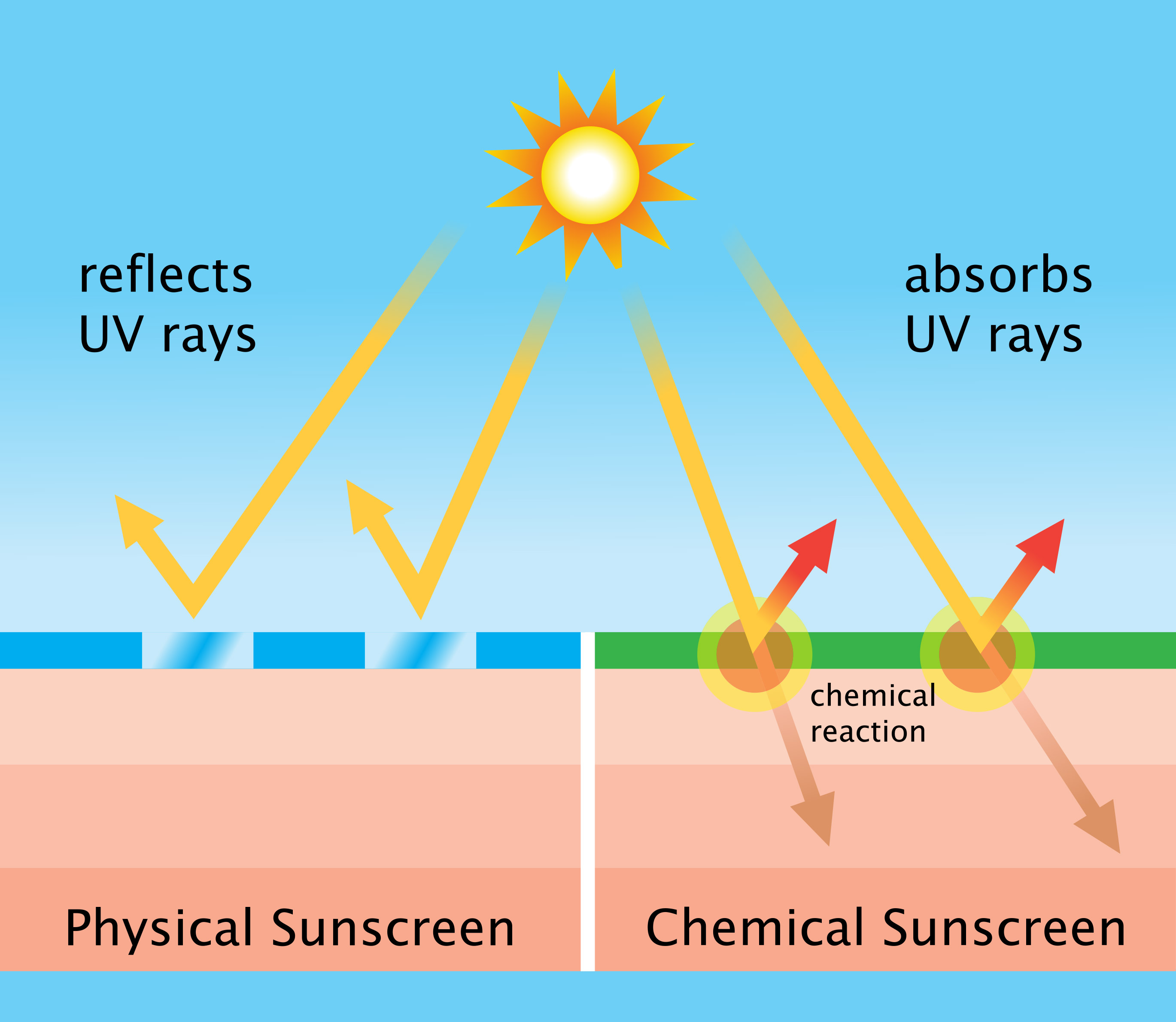
Physical sunscreens uses Zinc Oxide and Titanium Dioxide as UV filters, forming a protective layer on the skin.
Its mechanism:
Absorbing, scattering, and partially reflecting UV radiation
Key Benefits
- Gentle and suitable for sensitive or post-procedure skin
- Provides immediate protection upon application
- Aligns with Clean Beauty and eco-conscious trends
- Excellent photostabilit
Formulation Challenges
- Potential white cast
- Heavier texture
- Requires advanced dispersion and formulation technology
What is Chemical Sunscreen?
Chemical sunscreens use organic UV filters (e.g., Avobenzone, Octinoxate) to absorb UV radiation and convert it into heat.
Key Benefits
- Lightweight and transparent texture
- Elegant skin feel, ideal for daily use and makeup layering
- High formulation flexibility (SPF, multifunctional products)
Considerations
- Some filters may cause irritation for certain skin types (formula-dependent)
- Recommended to apply 15–20 minutes before sun exposure for optimal film formation
- Certain ingredients may face regulatory or environmental scrutiny
Hybrid Sunscreens
Hybrid sunscreens combine mineral and chemical filters, offering:
- The gentleness of physical filters
- The lightweight feel of chemical systems
This category has become a major trend in OEM sunscreen development.
Comparison Overview
Criteria | Physical Sunscreen | Chemical Sunscreen |
|---|---|---|
Mechanism | Absorb, scatter & partially reflect UV | Absorb & convert UV |
Onset | Immediate | Requires pre-application |
Texture | Thicker, may leave white cast | Lightweight, transparent |
Skin Type | Sensitive skin | General skin types |
Flexibility | Moderate | High |
Market Trend | Clean beauty aligned | Ingredient-dependent |
Market Trends & Opportunities
The rise of Clean Beauty and sustainability has driven strong demand for mineral sunscreens. Meanwhile, technological advancements (micronization and coating) have significantly improved their aesthetics.
Chemical sunscreens remain dominant in high-performance, lightweight, and daily-use segments.
⚠️ Note:
The term “Reef-safe” currently lacks a globally standardized definition. Brands should ensure compliance with local regulations before making such claims.
OEM Development Strategy
Brands should tailor sunscreen development based on target consumers:
Sensitive skin lines: Mineral-focused formulationsDaily wear products: Chemical or hybrid systems
Outdoor/sports lines: High SPF, water-resistant formulas
Sustainable brands: Emphasis on eco-conscious ingredients
Additionally, sunscreen formulations must comply with regional regulations (FDA, EU, ASEAN), which govern approved filters and concentration limits.
Conclusion
Physical and chemical sunscreens each offer unique advantages. The key to success lies in aligning formulation strategy with brand positioning and consumer expectations.
We provide professional OEM/ODM sunscreen development services to help brands achieve the ideal balance between safety, efficacy, and user experience.