
PDRN and PN:
The Future of Polynucleotide-Based Beauty Innovation
Understanding DNA-Derived Ingredients for Next-Generation Skincare Development
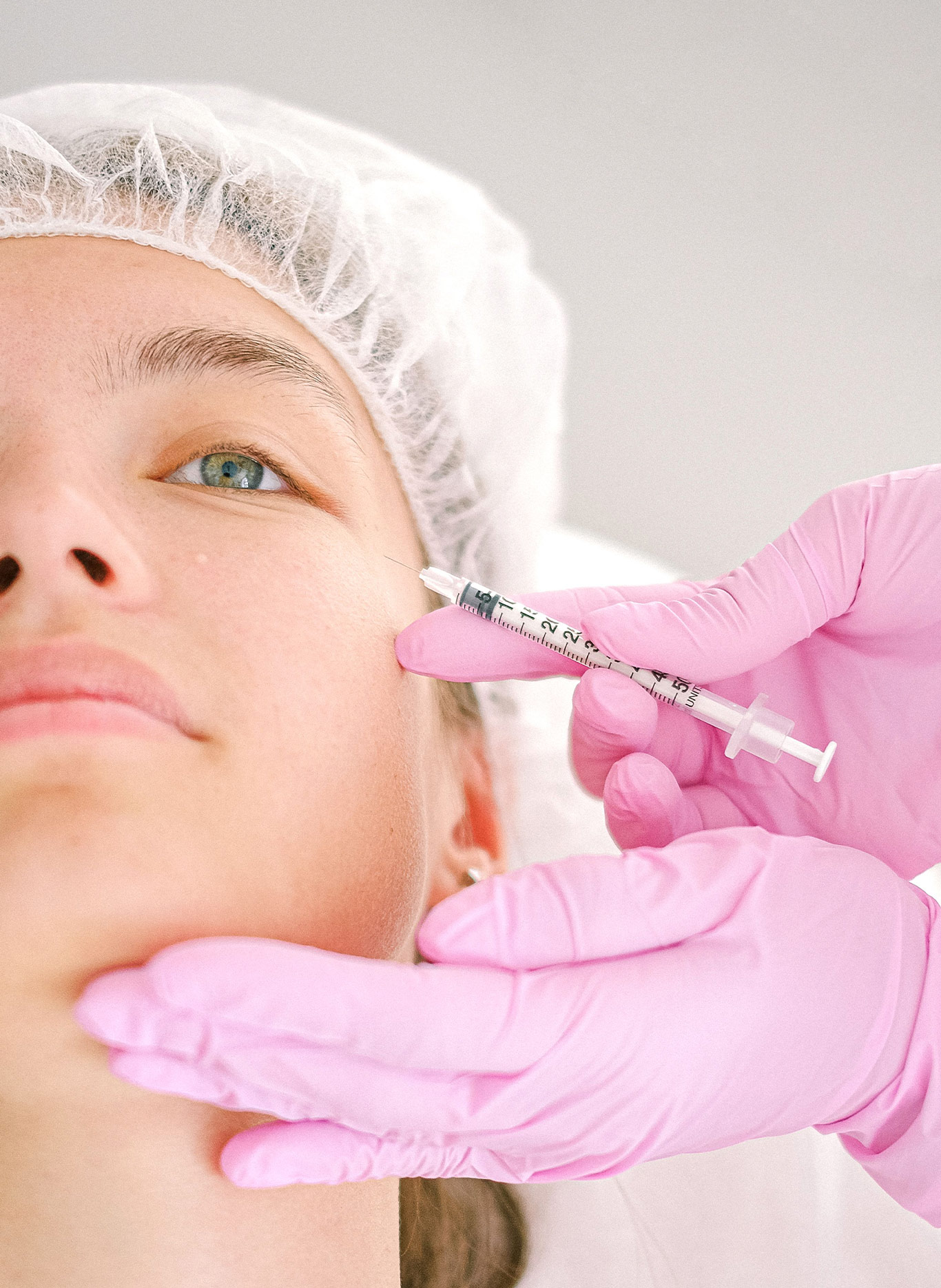
Introduction: The Evolution of Beauty Toward Skin Quality Innovation
The global beauty industry is experiencing a significant shift from traditional anti-aging concepts toward a more science-driven approach focused on long-term skin quality and skin health.
Today’s consumers are increasingly looking for advanced skincare solutions supported by innovative ingredients and modern formulation technologies. This has accelerated interest in emerging beauty concepts such as regenerative beauty, where products are designed to support the skin’s natural condition and improve overall skin appearance.
In the beauty market context, the term “Regenerative Beauty” is generally used to describe product concepts focused on supporting skin condition, recovery, and long-term skin quality. It should be distinguished from medical concepts such as tissue regeneration or regenerative medicine.
Among the advanced ingredients gaining attention, PDRN (Polydeoxyribonucleotide) and PN (Polynucleotide) have become important topics in professional aesthetics and premium skincare markets. Both ingredients belong to the broader category of DNA-derived polynucleotide materials and have attracted interest due to their potential applications in skin conditioning, skin quality improvement, and advanced skincare development.
For OEM/ODM manufacturers, understanding the characteristics and application opportunities of these ingredients is essential for creating innovative products that meet evolving global market demands.
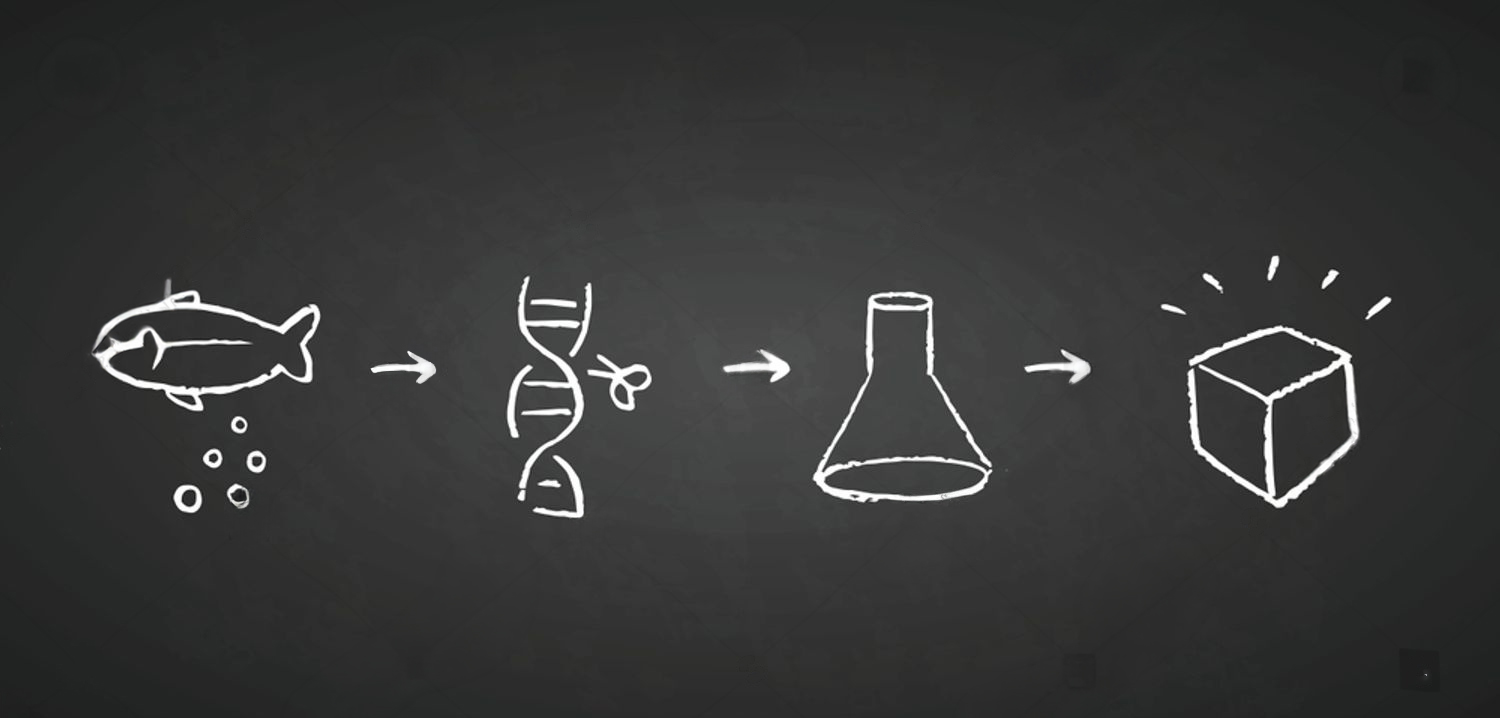
PDRN and PN are DNA-derived polynucleotide materials composed of nucleotide chains. Many commercially available polynucleotide ingredients are produced from purified DNA sources derived from salmonid species, such as salmon or trout. These ingredients are not whole cells or biological tissues. Instead, they are purified DNA-derived materials developed for specific cosmetic and aesthetic applications.
Although PDRN and PN share similarities, they should not be considered identical technologies. Their characteristics may vary depending on factors such as molecular structure, polymer length, molecular weight distribution, raw material source, and manufacturing process. It is also important to note that the terminology used for PDRN and PN is not completely standardized across scientific literature and commercial applications. The distinction is often discussed in relation to molecular weight, polymer length, source, and manufacturing process.
From a product development perspective, the performance of a polynucleotide-based formulation depends not only on the ingredient itself, but also on formulation design, concentration, delivery technology, and overall product strategy.
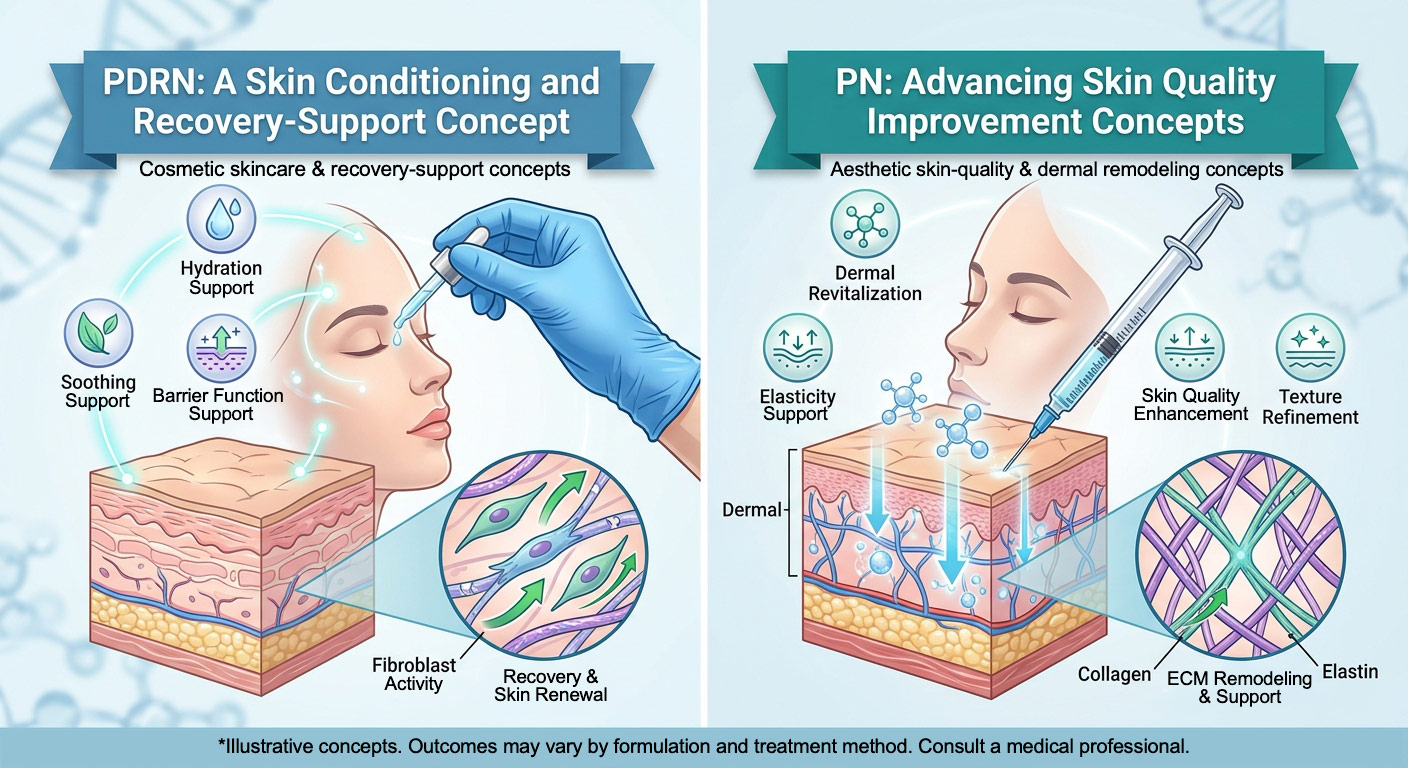
PDRN: A Skin Conditioning and Recovery-Support Concept
PDRN, or Polydeoxyribonucleotide, is a DNA-derived polymer that has been widely studied in relation to tissue recovery and biological repair mechanisms. Research has explored the potential role of PDRN in biological pathways such as the A2A adenosine receptor pathway, which has been associated with processes related to inflammation modulation and tissue recovery.
In cosmetic applications, PDRN is commonly positioned as a skin conditioning ingredient that supports products focused on maintaining skin comfort and supporting the appearance of stressed or compromised skin. PDRN-inspired skincare products are often developed in formats such as serums, ampoules, masks, and intensive skincare solutions.
However, cosmetic applications should be distinguished from injectable aesthetic applications, as delivery methods, regulatory classification, and expected outcomes are different.
PN: Advancing Skin Quality Improvement Concepts
PN, or Polynucleotide, is another DNA-derived polynucleotide technology that has gained attention in advanced aesthetic and skincare markets. Rather than being described as a direct replacement or upgraded version of PDRN, PN is better understood as a related technology with different characteristics and application concepts.
Current research and aesthetic applications suggest that PN is being investigated in relation to skin quality, tissue recovery, skin environment, and extracellular-matrix-related processes. In the beauty industry, PN is commonly associated with premium skincare concepts focusing on skin texture improvement, skin hydration and elasticity support, and advanced skin quality management.
These concepts have contributed to growing interest in PN-based formulations among professional beauty brands and high-end skincare developers.
PN vs PDRN: Understanding the Difference
Although PN and PDRN are often discussed together, they represent different approaches within the broader polynucleotide technology category.
Category | PDRN | PN |
|---|---|---|
Material type | DNA-derived polynucleotide material | DNA-derived polynucleotide material |
General positioning | Skin conditioning and recovery-support concepts | Skin quality improvement-related concepts |
Common applications | Advanced skincare and professional skincare concepts | Premium skincare and aesthetic-inspired products |
Development focus | Supporting skin condition and comfort | Supporting advanced skin quality concepts |
It is important to note that current scientific evidence does not demonstrate that PN is universally superior to PDRN. The suitability and performance of each technology depend on ingredient specifications, formulation design, application method, and product positioning.
For brands developing new skincare solutions, selecting the right technology should therefore be based on the complete product concept rather than ingredient popularity alone.
OEM/ODM Opportunities for Polynucleotide-Based Skincare
The growing interest in PDRN and PN technologies creates new opportunities for beauty brands seeking differentiated skincare solutions.
A professional OEM/ODM partner can support brands throughout the product development process, from ingredient evaluation and formulation design to manufacturing and quality control. Polynucleotide-based concepts can be incorporated into various product categories, including premium serums, ampoules, creams, masks, and professional skincare products.
Successful development often involves combining polynucleotide technologies with complementary ingredients such as hyaluronic acid, peptides, ceramides, or antioxidants to create balanced and effective formulations.
Beyond ingredient selection, OEM/ODM expertise plays an important role in ensuring product stability, sensory performance, manufacturing consistency, and compliance with target market requirements.
The Future of Polynucleotide-Based Beauty Innovation
The beauty market continues to move toward science-driven skincare, where consumers value ingredient transparency, advanced technology, and evidence-based product concepts.
Future opportunities in polynucleotide-based beauty are expected to grow alongside premium skincare innovation, personalized beauty solutions, advanced active ingredient development, and the integration of professional aesthetics with daily skincare.
As brands continue to seek unique and scientifically supported product concepts, PDRN and PN technologies represent valuable opportunities for the next generation of skincare development.
Conclusion
PDRN and PN are two important DNA-derived polynucleotide technologies shaping the future of advanced beauty innovation.
While both belong to the same broader ingredient category, they have different characteristics and application concepts. PDRN is commonly associated with skin conditioning and recovery-support positioning, while PN is widely recognized in advanced skincare and aesthetic markets for skin quality improvement concepts.
For beauty brands, successful product development depends on combining scientifically supported ingredients with effective formulation strategies, reliable manufacturing capabilities, and clear market positioning.
Through professional OEM/ODM collaboration, innovative polynucleotide-based skincare products can be developed to meet the growing global demand for advanced beauty solutions.